What do Egyptians really wear every day? Egyptian traditional clothes still fill village markets, Friday prayers and family gatherings, from a plain galabeya in Luxor to Nubian gold in Aswan. Here is what you will see, region by region, and how to try it with respect.
What Do Egyptians Wear in Daily Life?
A mix. Offices and shopping malls lean Western. Villages, old quarters and evenings at home lean traditional. In many places, these are simply everyday clothes, not costumes.
- The galabeya: a loose, full-length gown for men and women.
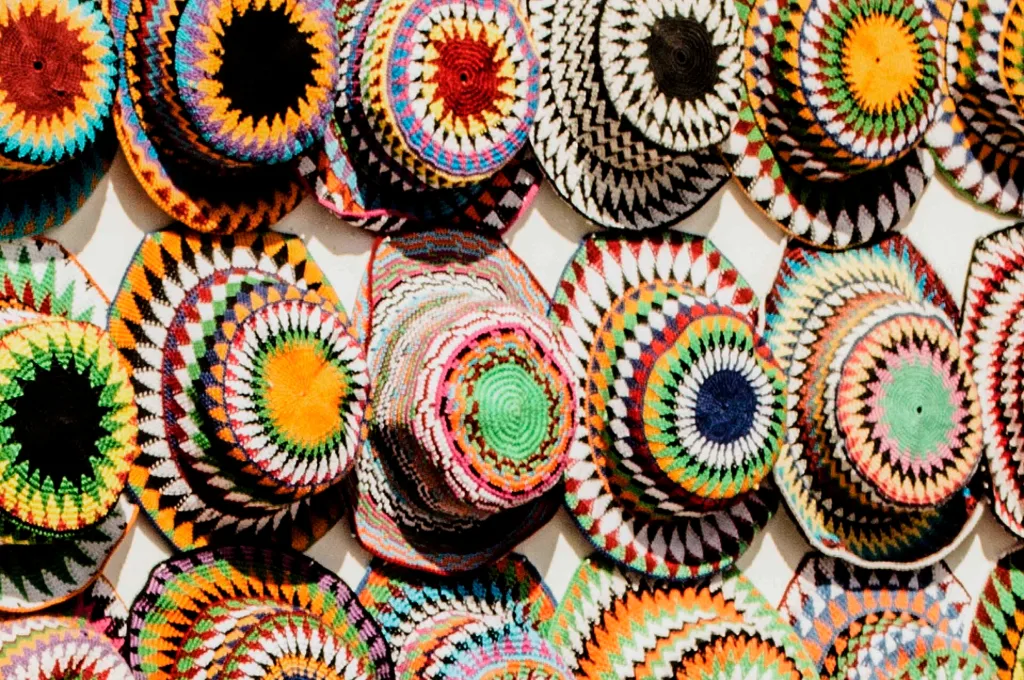
- Headwear: skullcaps, turbans and, historically, the tarboosh.
- Wraps and mantles, such as the melaya leff.
- Regional dresses with local embroidery, from the Delta to Nubia.
Planning what to pack instead? Our guide to what to wear in Egypt covers the tourist dress code. This guide shows what locals wear, and why.
Why Is the Galabeya Still the Everyday Favourite?
Because it suits the climate and the culture. It is loose, light and easy to wear all day.
- The cut: a low scooped neckline, wide flared sleeves and a side slit.
- The fabric: cotton in summer, wool in winter.
- The finish: men often add a skullcap or a turban.

How Do Men Wear the Galabeya?
For fieldwork, for coffee at the local café and for prayers. Our guides say you will spot it at village markets, at Friday prayers and at family celebrations. Visiting at Eid? Families dress up, and the streets look their best. See Eid al-Fitr in Egypt for what to expect.
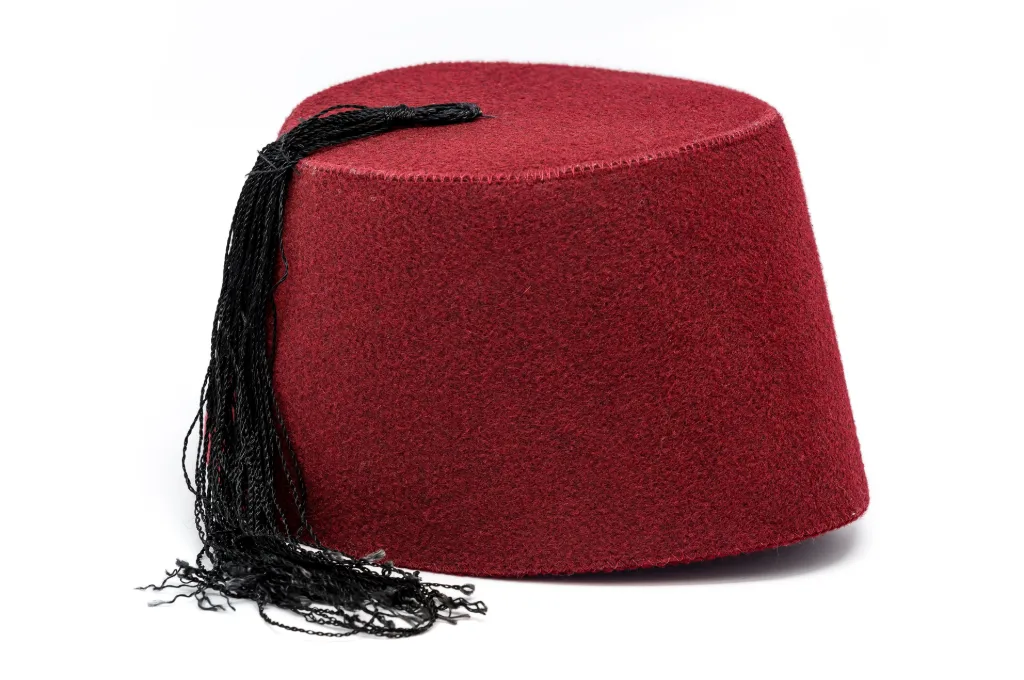
The classic hat is the tarboosh, a red felt cap with a tassel, also known as the fez. It was promoted under Mohammed Ali in the early 19th century, and the first Egyptian-made one appeared in 1825. Today it is rare on the street. In Aswan, men often choose a skullcap, a fez or a turban for protection from sun and sand.
What Do Women Wear at Home and Out?
At home and when guests arrive, many women choose colourful, embroidered galabeyas. In the countryside, layered dresses give room to move during daily work.
In big cities, the melaya leff once covered the streets until the late 20th century. This “wrapping sheet” was worn over the head and body, and by the 20th century it usually meant a black mantle.
- Early versions were blue-and-white checked cotton, described in a 19th-century traveller’s account.
- Local wraps carry local names, such as the hubbara in Luxor and the birda around Idfu and Kom Ombo.
- Today it appears mostly as a dance costume.
Quick Reference: Which Region Wears What?
Each region has a signature piece. Use this table as a quick guide.
| Region | Signature look |
|---|---|
| Cairo and big cities | Galabeya at home, and historically the black melaya leff |
| Nile Delta | Loose yoke dresses, often with metal-thread embroidery |
| Upper Egypt (Luxor, Assiut) | Waisted dresses and a large T-shaped robe with embroidery |
| Aswan and Nubia | Black tulle jarjar and the bright al-duss wedding dress |
| Siwa Oasis | Blue-and-white tarfutet cloak |
| Western Oases | Red embroidered galabiya dresses |
How Does Everyday Dress Change Along the Nile?
The farther south you travel, the more local the details become.
Cairo and the Delta
Cairo mixes Western and traditional styles. The galabeya appears at home, in neighbourhood streets and at the mosque. In the Delta, loose yoke dresses with metal-thread embroidery are typical.
Luxor and Upper Egypt
Waisted dresses and a large T-shaped robe with embroidery mark Upper Egypt, from Luxor to Assiut. Men favour sturdy galabeyas and turbans against the sun. The East Bank market streets are a good place to see them. See Luxor for more.
Aswan and Nubia
Nubian dress is a celebration of colour. The bright al-duss, in red, green, fuchsia or pink, is embroidered by hand and worn at weddings.
- Girls wear lighter, calmer embroidery.
- Married women wear richer colours, with red often leading.
- The jarjar, a thin black tulle overdress, trails behind the wearer.
- Brides add gold, including head bracelets, ear ornaments and anklets.
Want to see this culture up close? Walk the painted lanes of a Nubian village near Aswan, and ask permission before you photograph anyone in traditional dress. Ready to step into Egypt’s best-kept secrets? Explore our curated Aswan tours and meet Nubian hospitality in person: Aswan tours.
Siwa and the Western Oases
In Siwa, each piece belongs to a different moment in a woman’s life. The Textile Research Centre in Leiden documents both in its Siwa head and body coverings entry.
- The bridal troket: black silk with thick tassels and bands of embroidery in black, green, orange, red and white.
- The married woman’s tarfutet: blue-and-white cotton, about 250 by 175 centimetres, covering the body from head to foot.
- The details: an embroidered seam band and a small face panel, often with a hand motif or an eight-pointed star.
Can Visitors Wear Egyptian Traditional Clothes?
Yes, if you wear them respectfully. Many Egyptians enjoy seeing visitors try a galabeya, especially at dinner or on a cruise.
- Choose a plain cotton galabeya for comfort.
- Ask a guide or shopkeeper how it is worn.
- Avoid wearing wedding or ceremonial dress as a costume.
- Ask before photographing locals in traditional clothes.
Many Nile cruise boats host a galabeya night, where guests dress up for dinner and dancing. Ready to sail the river of the gods? Book your Aswan and Luxor Nile cruise today and join one: Nile cruise options.
Where Can You See and Buy Traditional Clothes?
Start in Cairo’s bazaars, then explore Aswan’s Nubian markets and Luxor’s market streets.
- Cairo: Khan el-Khalili for galabeyas, scarves and fabrics, and Khayamiya (Tentmakers) Street for hand-stitched appliqué.
- Aswan: Nubian villages and markets for colourful crafts and beadwork.
- Luxor: the East Bank market streets for cotton galabeyas and scarves.

A few shopping tips help. Bargain politely, check the cotton and the stitching, and buy a size larger for that loose, comfortable fit. Fancy a guided hour in the bazaar? Explore our Cairo sightseeing tours with a local guide: Cairo sightseeing tours.
Quick Questions About What Egyptians Wear
What is a galabeya in Egypt?
A full-length, loose everyday gown with long sleeves, worn by men and women. The cut keeps air moving, which is why it suits the heat.
What do Egyptians wear in Upper Egypt?
Men often wear sturdy galabeyas with turbans. Women wear waisted dresses or a large T-shaped robe, usually with embroidery.
Why do Egyptians wear loose clothes in the heat?
Loose cloth lets air circulate, shades the skin from the sun and keeps the body cool. It also fits local ideas of modesty.
What do Nubian brides wear on their wedding day?
A bright hand-embroidered al-duss dress and a lot of gold, including head bracelets, ear ornaments and anklets.
Dress Is How Egypt Tells Its Story
From a galabeya in Luxor to Nubian gold in Aswan, every outfit carries a story. Look, ask and try with respect, and you will bring home more than a souvenir. Let our team show you in person with our Egypt tours.
Featured image: Noha Fawzy Elsayed, CC BY-SA 4.0, via Wikimedia Commons.